Thursday, December 20, 2012

A Look Under the Microscope at Dental Implants, Arizona

This article provides a close-up on dental implants and addresses questions including “what are they, how do they work and do they cause any pain?”

You, like many people, probably have the term ‘dental implant’ in your vocabulary. But if your dentist told you that one of your teeth had to be pulled and replaced with one of them, the gaps in your knowledge would begin to show! What IS a dental implant / all on 4 dental implant anyway? You know that they are used to replace missing teeth, but how do they work? And most of all, do they hurt?

Dental Implants: A Closer Look at the Hardware
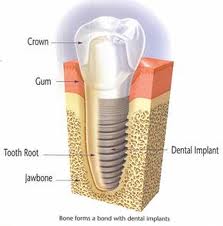
Dental implant Arizona

You’re right; dental implants are used to replace missing teeth. But there’s quite a bit more to them than that. Dental implants consist of three separate components:

  • An artificial ‘root’, which is made from medical grade titanium; a very strong, lightweight and non-corrosive metal.
  • An abutment or ‘collar’
  • An artificial crown, constructed from high quality ceramic material.

The surgery required for the placement of dental implants involves the insertion of the titanium screw or ‘artificial root’ into the jaw bone at the location of the missing tooth. The dentist then affixes the abutment to the top of the screw, before attaching a temporary porcelain crown. In other words, once the procedure has been concluded your missing tooth will be completely replaced!

All on 4

What you can expect from Your Dental Implant

Dental implants generally take a couple of weeks to heal. During this time, your jaw bone will actually be fusing with the titanium root of the implant in a very special process called ‘osseointegration.’ Thanks to this phenomenon, once healing is complete, the dental implant will be firmly planted in your jaw bone, just like the rest of your natural teeth! This is part of what makes dental implants so strong and able to withstand natural biting forces.

Dental implants in Arizona enable patients to eat most foods. There are certain things you’ll have to be wary of if you want to prevent damaging your ceramic crown, such as chewing ice or sticky sweets, but you should be avoiding these anyway. Otherwise, your dental implant will enable you to eat all the foods you love and to smile as much as you want!

After a set recovery period, you will need to return to the dentist to have your temporary crown replaced with a permanent crown. This will be fitted to facilitate a snug bite relationship between the lower and upper jaw. And that’s it!

Do Dental Implants Hurt?

Dental implant Arizona
Once they’ve healed, dental implants feel just like natural teeth. If they cause any pain or discomfort, there is something wrong and you should arrange an appointment with your dentist as soon as possible. Anesthesia is generally used during the placement of dental implants, so the procedure shouldn’t hurt at all. There can be some post-operative swelling and discomfort in the days following surgery, but this is easily managed with the medications prescribed to you by your dentist.

Overall, any pain or discomfort associated with the placement of dental implants is totally manageable and should not be a cause for concern. If you are especially worried about this, speak to your dentist beforehand and they will go to additional measures to ensure that your experience is as pain and anxiety free as possible.

Tuesday, December 11, 2012

The Scoop on Dental Pain, Fear and Anxiety from Tooth Implant Experts in Arizona, PART 2

This two-part article series discusses why many patients experience fear and anxiety at the prospect of their bi-annual appointments.

For many people, shaking hands, an elevated heart beat and a cold sweat is par for the course during their bi-annual appointment with the dentist. Just like a fear of spiders, snakes, heights and closed spaces, dental phobias are all too common amongst the members of our society. Perhaps you yourself are a sufferer! The difference between the afore-mentioned fears and a phobia of the dentist and dental treatment is that the primal phobias are an atavistic response to imminent danger. A spider or snake bite could be potentially fatal. Heights too; but a visit to the dentist nowadays is, at its best, mildly uncomfortable.

So why do we fear it so? And why is this fear so pervasive? In our previous article post, we discussed the media, movies and our friends and family as being a source of dental anxiety and fear. Just from hearing the way our parents and friends talk, we grow up thinking that a trip to the dentist is something to be nervous about. Then of course there are needles to worry about.

But of all the various sources of dental anxiety and fear, perhaps the over-arching theme is pain. A fear of pain and discomfort.

Tooth implant

Tooth Implant Experts: Pain Management in Dentistry

“It is completely normal for patients to worry about pain,” say tooth implant experts. “But what people seem to have forgotten is that dentistry has advanced quite substantially over the last few decades. Even in the last 10 years, we’ve made incredible advancements in the fields of patient care and pain management.”

Nowadays your dentist will use:
  • Anesthetic gels to numb the gums before needles are used, so you don’t feel a thing.
  • Sedative medications to send you off safely to la-la land so that you won’t remember a thing about your procedure.
  • Anesthesia for more complex surgeries.
  • Prescription pain medications to manage post-operative pain and discomfort.
But perhaps the greatest advancements of all, as far as pain is concerned, are the sophisticated technologies that allow general and cosmetic dentists to offer non-invasive solutions to ailments that have traditionally required surgery. Computer imaging software is now a standard tool in the dentist’s office, which can be used to provide a comprehensive understanding of jaw bone structure and tooth orientation. This in turn allows the dentist to plan procedures in great detail, thus minimizing the need for incisions and sutures: a primary cause of post-operative pain and discomfort.

Cosmetic dentist Sun City

Modern Dentistry: Don’t Worry, Be Happy

A combination of newer, less invasive dental procedures and pain management medications and techniques really has rendered the modern day dental office a place of pleasant experiences rather than pain and anxiety. “Our services really have changed over the years and while dentists have always had a bad rap in the past, this is - for the most part - unfair and even exaggerated,” says a cosmetic dentist in Sun City.

Bear all this in mind the next time fear and anxiety make you consider skipping your appointment with the dentist!

Monday, December 10, 2012

The Scoop on Dental Pain, Fear and Anxiety from the Cosmetic Dentist in Arizona, PART 1

This two-part article series discusses why many patients experience fear and anxiety at the prospect of their bi-annual appointments.

People avoid going to the dentist for many reasons. Some just don’t regard it as an important part of their general health care, while others are ashamed of the poor condition their teeth are in. However, the greatest reason people avoid the dentist – the greatest reason by far - is fear.

Odontophobia is actually a very common fear, with the majority of all patients experiencing some degree of anxiety when they go for their bi-annual appointment. This anxiety might manifest itself as a mildly elevated heart beat and sweaty palms, or it could bring on a full-fledged panic attack. Some patients have been known to become physically ill at the prospect of undergoing a dental procedure.

The question is: why does a visit to the dentist bring on such panic? And why is this reaction so pervasive amongst patients? The cosmetic dentist in Arizona gives us some answers…

Arizona Cosmetic Dentists Discuss Patient Fear and Anxiety

Cosmetic dentist Arizona

“The greater majority of patients experience some degree of fear and anxiety at the prospect of an appointment with the dentist because they are told to,” says an expert in teeth implants Arizona. “Perhaps not directly, but we learn about a fear of the dentist from movies, media and from our friends and parents.”

This is quite an interesting point to learn; probably because it’s true! Of all the people you know, few actually have a negative story of their own to relate. Most of the time we go for an appointment with the dentist, it goes by without incident, discomfort or pain. It just takes one bad experience and the story gets trumpeted about for everyone to hear. So, instead of just one person being affected by their experience, countless more are made wary and fearful.

“Movies are another source of fear and anxiety for patients,” say the teeth implants expert. “The Dentist 2 is a perfect example of the fear-mongering the media indulges in when it comes to general and cosmetic dentistry.”

Teeth implants Arizona

When you think about it, it’s not hard to be afraid of the dentist or of dental appointments. First of all, your mouth is quite an intimate organ, so you feel very vulnerable sitting there with a masked individual peering into its depths. Secondly, there is an array of rather sharp and intimidating-looking implements within arm’s length of your head. And thirdly, a visit to the dentist could end up with you requiring a needle injection.

“Many of the patients I see are terrified of needles more than anything else,” says an Arizona cosmetic dentist. “Once they understand that anesthetic gels can be rubbed on the gums to totally eliminate the pain associated with injections, they become a lot more amenable to treatment!”

The Important Message…

Whatever the source, there are things you can do to overcome fear and anxiety associated with dental treatments. Oral sedative medications, depending on dosage, can be taken to either take the edge off anxiety or eliminate it altogether. “The important message to remember is that skipping dental appointments is not the answer,” stress cosmetic dentists in Arizona. “You’ll only end up requiring more extensive, invasive and expensive work to fix problems that could have been avoided with regular preventative treatment.”

Cosmetic dentist Arizona

Stay tuned for the second installment of our two part series in which we will be discussing modern dentistry and pain management.

Friday, November 30, 2012

Three Reasons not to Fear Dental Implants in Arizona

This article describes three measures dentists take to ensure patients experience a pain and anxiety-free journey to oral rehabilitation with dental implants.

Of all the procedures and services offered by the dentist, dental implants in Arizona perhaps have the worst and most unfair reputation. Most of what anyone knows about dental implants is that they’re incredibly sore to have placed and that you should be afraid… very afraid. “This is MOST unfair,” explain implant dentists, “because getting dental implants in Arizona is actually no more painful than having a tooth extracted! Not only this, we do everything in our power to ensure that a patient enjoys a totally pain and anxiety-free experience.”

Considering the advanced state of modern dental protocols and technology, dentists have quite a bit of power to achieve this goal!

Dental Implants Arizona

Reason # 1 Why You Shouldn’t be Afraid of Dental Implants in Arizona:

They’re Always Placed Using Anesthesia

Alright, so you’ve been told that one of your teeth has to go. Or perhaps you’ve already lost one in an accident or to tooth decay. Whatever the reason, you are facing the need for dental implants in Arizona. First and foremost, a dentist will not place a dental implant without the use of either a local or general anesthesia, depending upon the complexity of the case and the number of implants being placed. This is because the procedure is invasive. Anesthesia negates the pain, which is not only beneficial to the patient but to the dentist as well who can now provide the treatment a patient needs, without getting his or her fingers bitten off.

Reason # 2 Why You Shouldn’t be Afraid of Dental Implants in Arizona:

You Have the Option of Conscious Sedation

Dental implants

Many people suffer from dental phobia. In fact, it is more common than uncommon for a patient to experience some kind of anxiety or fear prior to or during an appointment. So, many dentists offer conscious sedation as a service in addition to the placement of dental implants in Arizona. Benzodiazepines - the common ingredient in anti-anxiety medication - can be administered orally or intravenously, offering patients a psychological and physical holiday from reality and from the fears that cause them such acute discomfort. With sedation, getting dental implants in Arizona is hardly an ordeal at all, say dentists!

Reason # 3 Why You Shouldn’t be Afraid of Dental Implants in Arizona:

Modern Surgical Protocols Have Drastically Reduced Post-Procedure Discomfort and Recovery Time

In addition to the measures mentioned above, the very nature of the surgery used to place dental implants in Arizona has changed drastically. Newer and more sophisticated techniques have been developed. More and more dentists are working with computer imaging software, which enables them to visualize and understand a patient’s unique oral problems and jaw bone structure. This helps them to plan in much better detail the procedures followed for the placement of dental implants. A more precise surgery means fewer incisions and sutures, which not only drastically reduces post-operative pain and discomfort, but also the amount of time spent in recovery. While one cannot reasonably expect to experience NO pain during their journey from gappy to happy, there are ample measure available to combat this discomfort. You will be sent home with prescription pain-killers.

A Final Note on Dental Implants in Arizona

Dental Implants Arizona

Without the threat of pain and anxiety, what reason do you have to put off your visit to the dentist? Dental implants in Arizona offer the most comprehensive and long term solution to missing teeth so grit those teeth and get the best treatment available so that you will enjoy many decades of beautiful and healthy teeth!

Wednesday, November 28, 2012

9 Tips from Sun City Dental Professionals: Treating and Managing Bad Breath, PART 3

This three-part article series provides 9 tips for getting rid of halitosis (bad breath) and treating the root cause of it altogether.

We all, at some stage during the day, suffer from bad breath. Our mouths are receptacles for food, they’re constantly wet and they are teeming with bacteria, say Sun City dental experts. It’s hardly any surprise then is it? Bad breath is caused by a whole host of factors. Some are ‘innocent’ and short term and are caused by eating pungent foods, such as garlic, raw onion and anchovies. Others are not quite so innocent and can lead to chronic long-term problems, explain Sun City dental professionals. These include smoking, poor oral hygiene, bacterial infection and alcoholism.

In this article post, the final installment of a three-part series, we shall present the four remaining bits of advice on busting bad breath before providing a summary of all nine tips.

Top Tips from Sun City Dental Experts on Combating Bad Breath, Continued

Sun City dental

Sun City Dental Tip # 6: Chew Gum Instead of After-Dinner Mints

Many people pop mints after a meal to get rid of the smell and aftertaste of food residues. Unfortunately, if you wanted to get your mouth cleaner, you are achieving quite the opposite, explain Sun City dental experts. Sugar-rich candies encourage bacteria to proliferate, which exacerbates bad breath. Have you noticed how sour your mouth tastes five minutes after chewing a mint? The best after-dinner remedy is to either brush your teeth, or to chew sugar-free gum. This encourages the production of saliva, which is your body’s natural defense against the bacteria and plaque acids that cause bad breath and, of course, tooth decay, explain Sun City dental experts. Some chewing gum brands also include xylitol, which helps to remineralize your dental enamel after an acidic meal. If you can’t find these, however, at least opt for sugar-free.

Sun City Dental Tip # 7: Look After Your Gums

Sun City dentist

The focus on oral health tends to shine on the care of your teeth, but your gums are just as important. Conditions, such as gingivitis and periodontal (gum) disease are extremely common causes of halitosis or bad breath, explain Sun City dental professionals. Bacteria collect in deep pockets beneath the gums and their foul-smelling wastes are allowed to accumulate unchecked. These conditions need to be treated by Sun City dental specialists.

Sun City Dental Tip # 8: Be on the Lookout for Dry Mouth

It has already been explained that your saliva plays an integral role in the maintenance of good oral health. Conditions such as xerostomia or ‘dry mouth’ therefore promote bad breath and tooth decay. Always keep a bottle of water on hand throughout the day; never allow yourself to go thirsty, advises the Sun City dentist. Avoid habits such as smoking and hard drinking; they are the two top causes of xerostomia. Certain medications can also dry your mouth out, so speak to your dentist or doctor if you experience this side effect.

Sun City Dental Tip # 9: Book an Appointment with the Doctor

Last but not least, if you have tried all the above-mentioned tips and if, despite a proper home oral hygiene routine, you still suffer from chronic bad breath, book yourself an appointment with the doctor. Bad breath is not always caused by oral bacteria and can actually have a far more sinister source, say Sun City dental experts. Some of the medical conditions that can cause bad breath include a postnasal drip, sinus infection, lung infection, kidney and liver disease and diabetes.

All 9 Tips Wrapped Up…

Sun City dental

Sun City Dentist’s Tip # 1: Brush and Floss More Regularly
Sun City Dentist’s Tip # 2: Use a Tongue Scraper
Sun City Dentist’s Tip # 3: Avoid Pungent Foods that Cling to Your Breath
Sun City Dentist’s Tip # 4: Quit Smoking
Sun City Dentist’s Tip # 5: Use an Anti-Bacterial Mouthwash
Sun City Dentist’s Tip # 6: Chew Gum Instead of After-Dinner Mints
Sun City Dentist’s Tip # 7: Look After Your Gums
Sun City Dentist’s Tip # 8: Be on the Lookout for Dry Mouth
Sun City Dentist’s Tip # 9: Book an Appointment with the Doctor

Tuesday, November 13, 2012

9 Tips from Professionals in Sun City Dentistry: Treating and Managing Bad Breath, PART 2

This three-part article series provides 9 tips for getting rid of halitosis (bad breath) and treating the root cause of it altogether.

There are people who are conscious about the quality of their breath and those who aren’t, say professionals in Sun City dentistry. Those who are tend to be better about looking after their teeth and gums and therefore, suffer less from chronic problems. So, what is bad breath? What causes it and more importantly, what can you do if you suspect you have it? In our previous article installment, Sun City dentistry experts discussed the two first important tips of keeping bad breath at bay: (1) regular and thorough brushing and flossing and (2) getting into the habit of using a tongue scraper. These will prevent the proliferation of bacteria in the oral cavity, which would otherwise cause a greater production of stinky sulfurous gasses.

In this article post, Sun City dentistry experts will discuss another three important tips one should follow in order to prevent bad breath.

Top Tips from Sun City Dentistry Experts on Combating Bad Breath, Continued

Sun City dentistry

Sun City Dentistry Tip # 3: Avoid Pungent Foods that Cling to Your Breath

Bad breath isn’t always necessarily caused by poor oral hygiene, say Sun City dentistry professionals. There are a whole bunch of foods that can cause your breath to pong. This is because of one of four reasons (or a combination):

  • Certain foods’ pungent-smelling juices stain your mouth, for example, onions and garlic.
  • The volatile substances within certain foods, such as onions and alcohol, get into your bloodstream and are exhaled out through your lungs.
  • Certain foods, especially alcohol, contain drying agents that cause ‘xerostomia’ or ‘dry mouth.’ Without saliva, bacteria are left to multiply unchecked, explain professionals in Sun City dentistry.
  • Other foods are full of sugar that leads to a spike in bacterial activity in your mouth, for example, sweets and soft drinks.

You can successfully eliminate bad breath caused by bacteria simply by brushing and flossing your teeth, say Sun City dentistry experts. In the case of pungent-smelling foods that stain your mouth and get into your bloodstream, however, there are no instant solutions and you’ll just have to wait it out. So, if you plan on meeting up with a date and want to prevent bad breath caused by food, make sure you hold the onions and garlic!

Sun City dentist

Sun City Dentistry Tip # 4: Quit Smoking

Smoking cigars, cigarettes and pipes not only stains your teeth and damages the soft tissues in your mouth; it also causes ‘dry mouth.’ Your saliva is full of bacteria-busting enzymes that help to protect your teeth and gums, explain Sun City dentistry experts. Without it, your mouth is left far more vulnerable to bacterial decay and gum disease. If you’re a smoker, then it’s likely you have bad breath. If you want to beat bad breath (and all the diseases and cancers associated with smoking) then quit the habit, urge Sun City dentistry professionals.

Sun City Dentistry Tip # 5: Use an Anti-Bacterial Mouthwash

In addition to brushing, flossing and tongue-scraping, using an anti-bacterial mouthwash approved by the American Dental Association will really keep your mouth clean and smelling fresh. Use it after meals, snacks or a sugary beverage when you don’t have access to your toothbrush. Two things though, warn Sun City dentistry professionals:

1. Avoid mouthwashes that contain alcohol; they dry out your mouth and you’ll find yourself with bad breath only 30 minutes after using them.

2. Never use mouthwash as an alternative to brushing, stress Sun City dentistry experts. It’s not meant to replace brushing, but rather as a compliment.

Sun City dentistry

Stay Tuned for More Sun City Dentistry Advice

For more bad breath busting advice from Sun City dentist, stay tuned for the third and final installment of this three-part article series.

Tuesday, November 6, 2012

9 Tips from the Sun City Dentist for Treating and Managing Bad Breath, PART 1

This three-part article series provides 9 tips for getting rid of halitosis (bad breath) and treating the root cause of it altogether.

There are few things worse than speaking to someone and being bombarded with blasts of fetid breath. What do you do? Do you try to discretely distance yourself so that the surrounding fresh air dilutes their breath? Do you desperately try to keep a straight face or, worse, keep down your lunch? Likewise, there can be nothing more embarrassing than speaking to someone and having them visibly recoil from the smell of your breath. We all get bad breath, explains the Sun City dentist. No one wakes up after 8 hours of sleep with clean-smelling breath and no one escapes a garlicky dinner guilt-free either. What is important, explains the Sun City dentist is that, as a rule, your breath isn’t strong and unpleasant-smelling. There is only one thing that can prevent bad breath and that’s good oral hygiene.

In this three-part article series, Sun City dentistry experts will take you through some important tips for battling bad breath.

Top Tips from the Sun City Dentist on Combating Bad Breath

Sun City dentist

According to the American Dental Hygienists’ Association, a staggering 40 million Americans suffer from halitosis (chronic bad breath). This condition is very socially debilitating, so what can you do if you suspect your breath would be more appealing to a vulture than to the members of your own species?

Sun City Dentistry Tip # 1: Brush and Floss More Regularly

The first thing you all need to understand is what causes bad breath. What it actually is. Bad breath is caused by bacteria, explains the Sun City dentist. More specifically, bad breath is caused by the wastes produced by bacteria. These micro-organisms feast on the food and sugary residues left behind in your mouth after every meal, snack, treat or sugar-rich beverage, explains the Sun City dentist. Of course, everything that eats must poop and the wastes excreted by bacteria are high in sulfurous compounds that smell yucky.

Understanding that bacteria cause bad breath is the first fundamental step towards battling this horrible affliction, explains the Sun City dentist. And this is because it helps patients make the connection between oral hygiene and the quality of your breath. The math is elegantly simple. If you take proper care of your teeth, gums and tongue, then you are unlikely to suffer from halitosis. A proper home oral hygiene routine includes:

  • Brushing those pearly whites at least twice a day for two minutes at a time, says the Sun City dentist.
  • Flossing every day, especially before you go to bed at night.
  • Gargling with an alcohol-free anti-bacterial mouthwash after meals when you can’t brush.

Sun City dentistry

By maintaining a high standard of oral hygiene you will prevent the proliferation of bacteria in your mouth. Ceasing the build-up of plaque (soft masses of bacteria) and the subsequent high production of smelly waste gasses will keep your breath nice and neutral, explain Sun City dentistry experts.

Sun City Dentistry Tip # 2: Use a Tongue Scraper

Loads of patients don’t include their tongue in their home oral hygiene routine, when in fact its rough and pitted surface offers bacteria an excellent environment in which to gain a foothold and multiply, explains the Sun City dentist. Next time you’re standing in front of a mirror, stick your tongue out and take a close look at it. That white coating is bacteria. When you brush your teeth, make sure you brush your tongue as well until it’s nice and pink and healthy-looking. If you struggle with your gag reflex then get yourself a tongue scraper. These, explain Sun City dentistry professionals, are an essential tool for home oral hygiene care. Use them to reach to the very back of the tongue to scrape away that coating of bacteria, bacterial wastes, dead cells and food debris.

Sun City dentist

Stay Tuned for More Sun City Dentistry Advice

For more bad breath busting advice from Sun City dentistry experts, stay tuned for the second installment of this three-part article series.