In this four-part article series, a panel of dental implant surgeon provides us with an in-depth understanding of gum disease, which is one of the most common illnesses affecting American society today.
Welcome to the final installment of this four-part article series on gum disease and the considerable problems it causes for those unfortunate Phoenix residents who may have it. So far in this article series we have defined what gum disease is and what it’s typically caused by. We have also looked at what Phoenix residents can do to minimize their risk of ever developing this terrible oral ailment, because – as it was revealed in our previous article installment – gum disease shares a link with a whole host of sinister bodily diseases that could prove to be fatal.
Now, in this final post, our panel of Phoenix-based dental implant surgeons will speak about the various treatment options available to patients who have gum problems, starting with mild gingivitis and ending with severe periodontitis.
Gum Disease Treatment: Gingivitis

If you suspect that you have gum problems, the very first course of action for you must be to schedule an appointment with your dental healthcare professional. Only once a diagnosis has been made can your treatment options be decided upon. The good news is that if you have been diagnosed with gingivitis – a mild bacterial infection of the gums – your treatment will be non-surgical and painless.
“Usually, patients with gingivitis require little more than a thorough professional cleaning and a little instruction on improving their home oral hygiene routine and eating habits,” explains a Phoenix dental implant surgeon. “We’ll then schedule another check-up for a few weeks’ time hence to ensure that their gums are looking healthier and that no other professional interventions are necessary.”
Quitting smoking, moderating alcohol consumption and improving your eating habits will also go a long way to reduce the symptoms of gingivitis, which can include persistent bad breath and tender, inflamed gums.
Gum Disease Treatment: Periodontitis
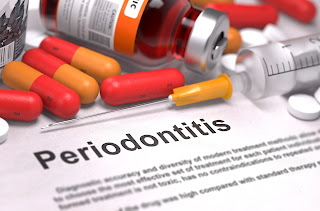
If you have been diagnosed with advanced gum disease – also known as “periodontitis” – you will likely require a more thorough approach to treatment.
“The concept behind treating periodontitis is to eliminate the vast colonies of bacteria that are causing the infection. Since much of this bacteria has accumulated beneath the gum line, advanced gum disease treatment can necessitate surgery,” says a dental implant surgeon. “Not to worry, though! We always prioritize the comfort of our Phoenix patients by numbing the gums and – if necessary and desired – by administrating a sedative beforehand.”
In addition to surgery, a patient being treated for periodontitis may undergo one or more of the following treatment measures:
• A series of professional cleanings.
• Root planing and scaling, which involves the removal of plaque and tartar from beneath the gum line.
• A course of anti-biotic medication.
And, of course, hand-in-hand with professional treatment comes the need to reassess and change one’s lifestyle and standard of living.
“Moving forward from gum disease treatment it’s vitally important that you make some permanent changes to the way you live,” urge Phoenix dental implant surgeons. “Smoking and excessive alcohol consumption will only encourage the infection to return, as will an unhealthy sugar-packed diet. By improving your general health, you will enable your body to fight off infection and prevent the reoccurrence of gum disease.”
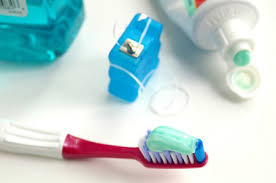
Good oral hygiene and routine dental check-ups are also vital, so make sure you floss everyday, brush thoroughly at least twice a day and visit your dentist and oral hygienist twice or more per year!
Busting gum disease is a game changer for many Phoenix residents, because it improves their appearance, their quality of life and potentially, their lifespan!






 You can avert any sort of dental implant problems and complications by following your dentist's instructions diligently related to post-treatment care, hygiene and maintenance. You have to restrict your diet to soft chewable food items for a period of about a week after the treatment. If the treatment involved stitches, then it is highly suggested that you get them removed first by your dentist before you start your solid food diet. Ask your dentist to use the stitches that are self-dissolvable.


 The base posts of

