"This four part article series answers some of the questions patients frequently ask about dental implants, how they compare to other teeth replacement technologies and the various benefits they afford."
In this article, the third installment of a four-part series, we shall continue to address more of your frequently asked questions about dental implants Glendale. Please refer to the first and second installments to read the answers to questions, such as, “What are dental implants?”, “Is there an age limit for dental implant procedures?”, “Who is qualified to place implants?” and “What affects the long-term success of dental implants in Glendale?”
FAQ# 8: Is the Surgery for the Placement of Dental Implants in Glendale Painful?
Dental Implants in Glendale, Answer: No. All dental implant procedures are performed under the affects of anesthesia (either local or general depending upon case complexity.) Patients also have the option for sedation, in case they suffer from anxiety or phobias associated with dental treatment. Over and above this, the availability of sophisticated computer imaging technology and X-raysenable implant dentists to accurately and intimately plan surgical procedures for the placement of dental implants in Glendale. As are sult, they can keep them as minimally invasive as possible, thus negating the need for multiple incisions and sutures. Since this is the primary source of operative and post-procedural pain and discomfort, patients really need not worry when going in to receive their dental implants in Glendale. While there is some discomfort during the healing process, this can quite effectively be managed with prescription pain-killers and in many cases, does not last for more than a few days.
FAQ# 9: How Long do I Need to Take Off From Work if I’m Receiving Dental Implants in Glendale?
Answer:Every patient is different. Some may prefer to spend a day or two taking it easy after having received dental implants in Glendale,while others return to work the very next day. According to the implant dentist, you will be able to return immediately to work. Just remember to adhere to the post-operative instructions for the care of your new teeth.
FAQ# 10: How Often do I Need to Return to the Dentist to Have my New Teeth Checked?
Answer: The healing process is crucial because it plays an integral role in determining the success of your dental implants in Glendale. Every three to four months, you will need to go to the dental hygienist(one specially trained in the maintenance of implants) to have your new teeth professionally cleaned, and to the implant dentist for thorough follow-up inspections. Maintaining a rigorous home oral hygiene routine will also help you keep your dental implants and natural teeth in fantastic condition for decades to come.
FAQ# 11: What can Dental Implants in Glendale do for me?

Answer:Dental implants in Glendale are recommended by dentists time and again for the following reasons:
- They enable patients to smile with confidence
- They enable patients to speak properly and without self-consciousness
- They enable patients to eat all the foods they love, thus promoting better nutrition
- They greatly improve self-esteem
- Dental implants in Glendale offer a comfortable tooth replacement solution
- They offer a fantastic aesthetic solution to missing teeth
- They have an incredible lifespan of 20, 30 years and even longer if cared for properly.
Dental Implants in Glendale: Stay Tuned for More FAQs!
To read the answers to more of your frequently asked questions, stay tuned for the fourth and final installment of this four-part article series on dental implants in Glendale.


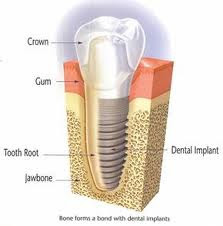
 The base posts of





 If you thought you were alone in your irrational and even unmanageable fear of the Sun City dentist, think again! A fear of the dentist, the dentist’s chair and/or dental treatment is one of the most common phobias there are. It even has a name, ‘odontophobia.’ Thankfully, the accepted approach to treating patients that struggle with sweaty palms, an elevated heart rate, the tremors and even low blood pressure – physical symptoms associated with extreme anxiety and fear - has changed over the years. “In addition to anti-anxiety medications and pain-killers,” says experienced
  illed with warm and fuzzy cotton wool… every patient’s account of IV sedation differs slightly. And while it is sometimes referred to as “twilight sleep” or “sleep dentistry,” Intravenous sedation doesn’t actually put you to sleep as general anesthesia does, explains Sun City dentist Dr. Gasser. Rather, patients describe drifting off in a dream-like state that feels completely detached from reality, from what is happening to them in the dentist’s chair. Because of this detachment, triggers that might previously have caused severe anxiety or fear, such as the whine of the drill or the sight of a needle, is no longer upsetting. And this is, of course, beneficial to both the patient and the dentist.