"This
article addresses some of the fears and concerns patients have about
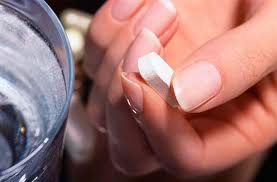
oral conscious sedation, an anti-anxiety drug administered via a pill
just before a dental procedure."
A
fear of Sun City dental treatment, whether it’s of the clinical
whiteness of the exam room itself, the whine of the dentist’s drill
or the prospect of needles, is something that affects a huge number
of patients. Experienced Sun City dental professional, Dr. Kevin
Gasser, has become entirely accustomed to dealing with patients that
experience the entire spectrum of physical responses to fear and
anxiety, from mildly sweating palms and a quickened heartbeat, to
full on terror and tremors at the prospect of requiring some kind of
procedure done. Oral sedation has gained immense popularity amongst patients that traditionally
couldn’t bear the thought of their bi-annual Sun
City dental appointments. Now, thanks to oral sedation, these
patients are able to receive the professional attention they need to
keep their oral health and hygiene in the best possible condition. In
order to help you understand more about sedation dentistry, Dr.
Gasser will, in this article, be answering some of your frequently
asked questions.
Sun
City Dental FAQ # 1: What does oral sedation involve?
The
Sun City Dentist Answers: Oral sedation involves the delivery
of anti-anxiety sedative medications, generally in pill-form.
Patients are required to take one or two of these pills at least 30
minutes before their Sun City dental appointment in order for the
effects to kick in on time for their treatment. Owing to the
wonderful relaxing effect they have on patients, the Sun
City dentist medications used for oral sedation are also referred
to as “happy pills.”
Sun
City Dental FAQ # 2: What kind of medication is used in oral
sedation?
The
Sun City Dentist Answers: The drugs used in oral conscious
sedation typically belong to the Benzodiazepine family, also referred
to as “Benzos.” You will probably be most familiar with the brand
names Halcion, Valium, Xanax and Ativan.
Sun
City Dental FAQ # 3: How does oral sedation work?
The
Sun City Dentist Answers: Benzodiazepines work to decrease
anxiety (and its associated physical effects) by binding to the
receptors in the brain responsible for controlling fear. By reducing
the activity of these regions of the brain, a patient feels far more
relaxed, sleepy and detached from reality.
Sun
City Dental FAQ # 4: Is there anything I need to be aware of when
undergoing oral sedation?

The
Sun City Dentist Answers: Benzodiazepines are very safe and
their effects highly predictable so patients need not worry about any
negative side-effects. There are a few contraindications for this
medication, including impaired lung and kidney function, being
overweight and having sleep apnea. These medications shouldn’t be
mixed with any other Central Nervous System (CNS) depressants and
this includes alcohol. Last, but not least, because oral sedation is
usually administered 30 minutes prior to a Sun City dental
appointment, if not before, patients are urged not to drive to and
from the dentist’s office. You may very well become disorientated
and your impaired concentration will make it dangerous for you to
drive. If you plan on catching a bus or train, make sure someone goes
with you, or you might end up missing your stop!
Sun
City Dental FAQ # 5: What can I expect to feel under oral sedation?
The
Sun City Dentist Answers: Most patients describe a feeling of
light-headedness, of total relaxation and detachment from reality.
It’s like being in a dream, only you are aware of what’s going on
around you and can respond coherently to the dentist’s questions
and prompts. Once the procedure is complete and a patient has
recovered from the effects of oral sedation, it is common for them to
not be able to recall anything, or at least very little about their
Sun City dental experience. This is because oral sedation tends to cause amnesia for the
duration during which the medication is in the body.


 If you thought you were alone in your irrational and even unmanageable fear of the Sun City dentist, think again! A fear of the dentist, the dentist’s chair and/or dental treatment is one of the most common phobias there are. It even has a name, ‘odontophobia.’ Thankfully, the accepted approach to treating patients that struggle with sweaty palms, an elevated heart rate, the tremors and even low blood pressure – physical symptoms associated with extreme anxiety and fear - has changed over the years. “In addition to anti-anxiety medications and pain-killers,” says experienced
  illed with warm and fuzzy cotton wool… every patient’s account of IV sedation differs slightly. And while it is sometimes referred to as “twilight sleep” or “sleep dentistry,” Intravenous sedation doesn’t actually put you to sleep as general anesthesia does, explains Sun City dentist Dr. Gasser. Rather, patients describe drifting off in a dream-like state that feels completely detached from reality, from what is happening to them in the dentist’s chair. Because of this detachment, triggers that might previously have caused severe anxiety or fear, such as the whine of the drill or the sight of a needle, is no longer upsetting. And this is, of course, beneficial to both the patient and the dentist.
 they sit awaiting their treatment in the dentist’s chair. This slight case of the nerves, of course, increases exponentially with the size and complexity of the procedure or treatment administered during the appointment. So what about patients that suffer a debilitating phobia of dental treatment? Do they avoid the dentist altogether? Unfortunately, for thousands of patients around the country, this is the case and the result is that their oral health and hygiene are being unnecessarily neglected. Thankfully,
  threshold and, even with simple procedures, can benefit from the ease and comfort offered by oral sedation in Arizona.


 our lower facial structure and helping us to retain our natural youthful appearance. Tooth loss and edentulism are just a few of the symptoms of periodontal disease; an affliction characterized by an acute and chronic bacterial infection of the gums and bone surrounding the teeth. Bad breath, bone loss, tooth discoloration and oral lesions in the gums also cause endless problems for those who suffer from it. The statistics of missing teeth in Arizona are dire. Approximately 30% of adults above the age of 65 are completely edentulous while the majority of those between the ages of 35 and 44 have lost between 11 and 15 of their permanent adult teeth. While you could always choose to embrace your edentulism (and there are many that do), for most people, this is not a viable solution to be considered. What is viable, are
  So, if removable dentures have so many challenges associated with them, then what better alternative is there? Thankfully, modern advanced oral surgery techniques have kept up with the demand for more sophisticated and comprehensive solutions to

